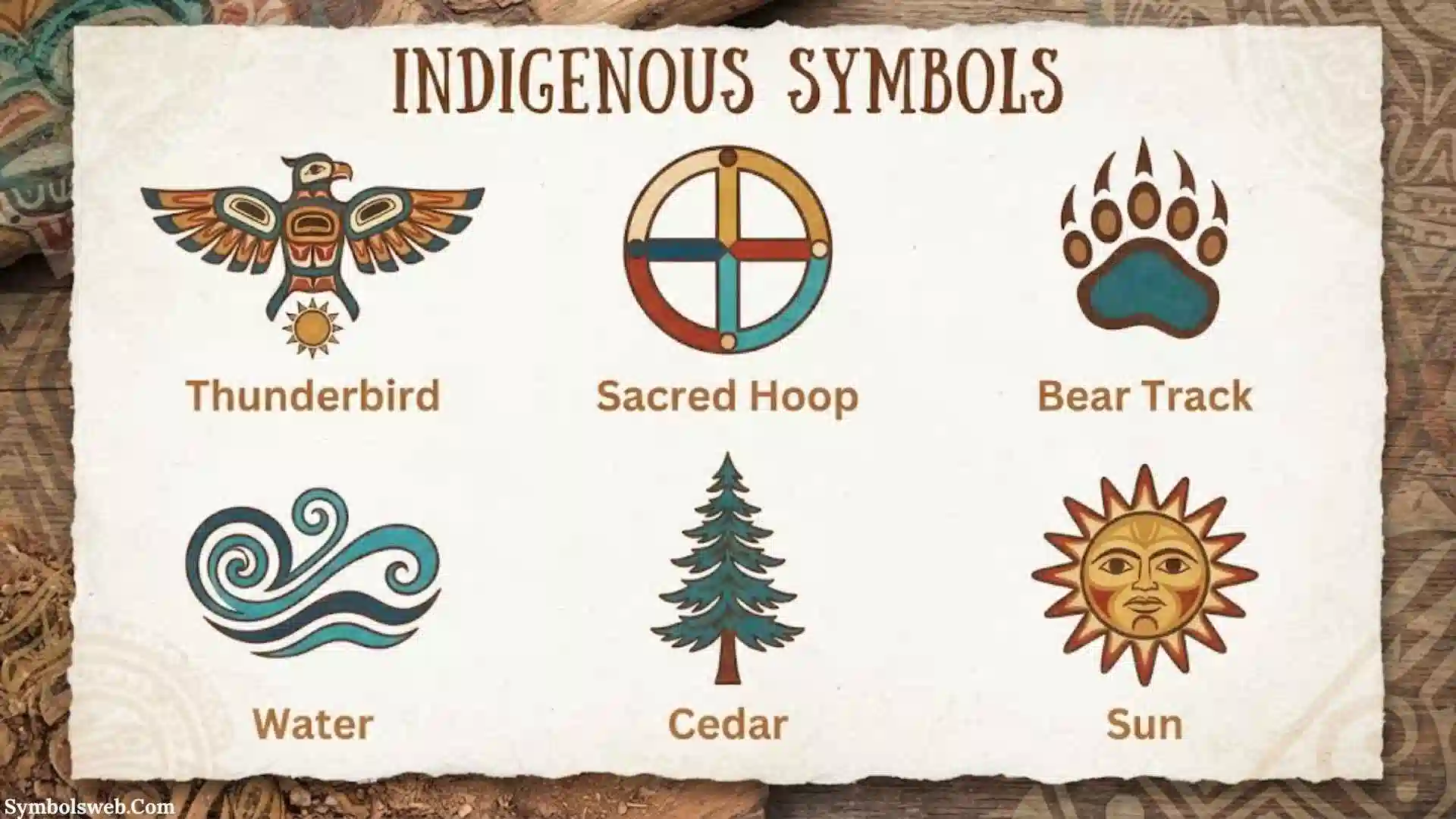
Indigenous symbols are an important part of culture and tradition. I think these symbols tell us about the history, beliefs, and lifestyle of indigenous people. When you learn about these symbols, you can understand their culture better.
I find indigenous symbols interesting because they are connected to nature, family, and community. You can see these symbols in their art, clothes, stories, and ceremonies. They also show how indigenous people express their identity.
I believe we should respect and learn about indigenous symbols because they are an important part of cultural heritage. When you learn about them, you can appreciate the traditions and values of different communities. These symbols help keep their culture alive for future generations.
Quick Answer
I think indigenous symbols are important because they show culture and traditions. When you learn about them, you can understand their history and beliefs. I find these symbols interesting because they are connected to nature and community. You can respect different cultures by learning about their symbols.
Quick Facts About Indigenous Symbols
| Aspect | Information |
| Origin | Ancient Indigenous cultures worldwide |
| Historical Significance | Preserved traditions, beliefs, and ancestral knowledge |
| Main Meaning | Identity, spirituality, nature, and cultural continuity |
| Spiritual Meaning | Connection to ancestors, spirits, and the natural world |
| Cultural Importance | Represents community values and collective memory |
| Modern Usage | Art, education, tattoos, fashion, cultural preservation, and activism |
What Are Indigenous Symbols?
Indigenous symbols are visual signs, patterns, motifs, and sacred images used by Indigenous communities to communicate meaning. Unlike ordinary decorative designs, these symbols often carry profound cultural and spiritual significance.
Long before written languages became widespread, Indigenous peoples used symbols to record knowledge, tell stories, mark territories, honor ancestors, and teach future generations. These symbols appeared on cave walls, pottery, textiles, jewelry, ceremonial objects, and body art.
Many Indigenous traditions view symbols as living expressions of wisdom rather than static images. A symbol may represent a story, a spiritual teaching, a clan identity, a natural force, or a relationship between people and the land.
Throughout history, Indigenous symbols evolved alongside communities. While some meanings remained unchanged for thousands of years, others adapted to changing social and environmental conditions.
Today, these symbols remain powerful reminders of resilience, cultural survival, and ancestral knowledge.
Deep Symbolic Meaning of Indigenous Symbols
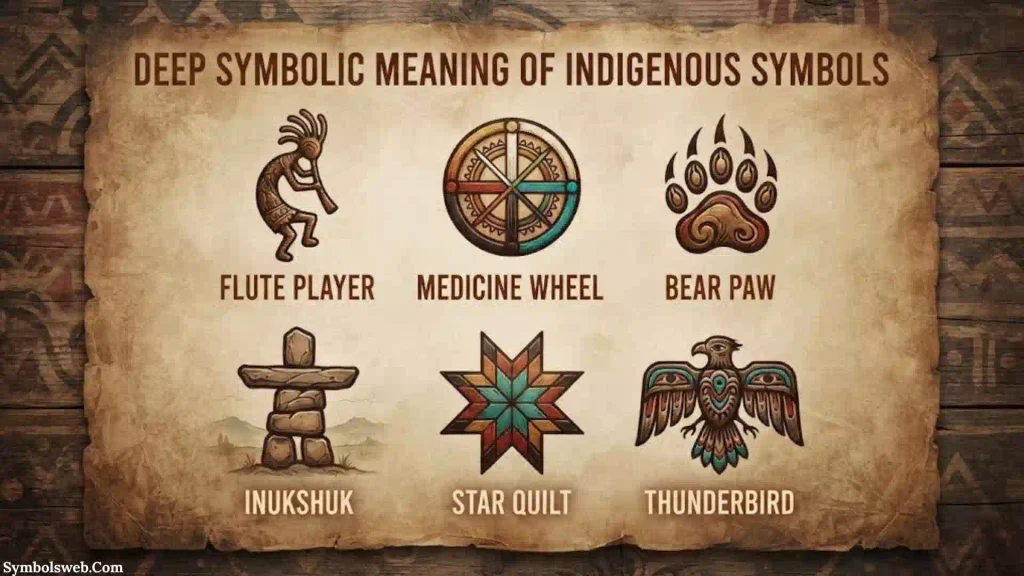
Spiritual Level
At a spiritual level, indigenous symbols often serve as bridges between the physical and spiritual worlds.
Many traditions believe symbols help people connect with:
- Ancestors
- Sacred spirits
- Creator beings
- Natural forces
- Cosmic energies
For example, circular symbols frequently represent the cycle of life, unity, and the interconnectedness of all living things. Animal symbols often embody spiritual qualities such as courage, wisdom, protection, or transformation.
Indigenous spirituality commonly teaches that humans are not separate from nature. Symbols reinforce this sacred relationship by reminding people that rivers, mountains, animals, and forests possess spiritual significance.
Psychological Level
Psychologically, indigenous symbols resonate deeply because they reflect universal human experiences.
According to psychologist Carl Jung, certain symbols function as archetypes, recurring images found across cultures that connect with the collective unconscious.
Examples include:
- The circle representing wholeness
- The eagle symbolizing vision and freedom
- The tree representing growth and life
- The sun symbolizing vitality and consciousness
People are naturally drawn to these symbols because they speak to emotional needs such as belonging, identity, protection, and purpose.
Cultural Level
Within Indigenous communities, symbols strengthen cultural identity and social cohesion.
A symbol may:
- Identify a family lineage
- Represent a tribal nation
- Preserve historical events
- Teach moral lessons
- Communicate shared values
Imagine a child learning traditional stories from elders. The symbols accompanying those stories become visual reminders of community wisdom and cultural heritage.
Types and Variations of Indigenous Symbols
Medicine Wheel
Visual Description: Circular design divided into four sections.
Meaning: Balance and harmony.
Symbolism: Life cycles, seasons, spiritual growth, and interconnectedness.
Cultural Connection: Widely used among many Indigenous peoples of North America.
Where It Appears: Ceremonies, teachings, artwork, and healing practices.
Eagle Symbol
Visual Description: Eagle feathers or eagle imagery.
Meaning: Strength and spiritual vision.
Symbolism: Higher awareness and communication with the Creator.
Cultural Connection: Revered by numerous Indigenous nations.
Where It Appears: Ceremonial regalia, storytelling, and sacred objects.
Turtle Symbol
Visual Description: Stylized turtle image.
Meaning: Longevity and wisdom.
Symbolism: Stability, endurance, and connection to Earth.
Cultural Connection: Common in many Indigenous North American traditions.
Where It Appears: Art, myths, and cultural teachings.
Sun Symbol
Visual Description: Circular form with radiating lines.
Meaning: Life-giving energy.
Symbolism: Renewal, growth, and spiritual illumination.
Cultural Connection: Found across Indigenous cultures worldwide.
Where It Appears: Ceremonial art, carvings, and textiles.
Bear Symbol
Visual Description: Bear tracks or bear figure.
Meaning: Protection and courage.
Symbolism: Leadership, strength, and healing.
Cultural Connection: Prominent in many tribal traditions.
Where It Appears: Totems, stories, and ceremonial items.
Indigenous Symbols Across Different Cultures
Ancient Egypt
Although not Indigenous in the modern sense, ancient Egyptian symbols reveal similar relationships between spirituality and nature.
Symbols such as the Ankh represented life, while animal imagery connected divine powers to earthly existence.
Ancient Greece
Greek culture used symbols associated with gods, wisdom, and natural forces. The owl symbolized knowledge, while the olive branch represented peace.
Roman Culture
Romans adapted many symbolic traditions from neighboring civilizations. Symbols reinforced political authority, religious beliefs, and collective identity.
Eastern Traditions
Many Eastern cultures developed sacred symbols expressing balance, harmony, and enlightenment.
Examples include:
- Lotus flower
- Yin and Yang
- Sacred mandalas
These share similarities with Indigenous ideas about interconnectedness and spiritual growth.
Indigenous Traditions
Indigenous cultures worldwide often emphasize:
- Respect for nature
- Ancestral wisdom
- Community relationships
- Sacred cycles of life
Symbols act as visual expressions of these principles.
Modern Interpretations
Today, indigenous symbols are used in education, cultural preservation, social movements, and artistic expression. Many communities continue teaching traditional meanings while adapting symbols for contemporary audiences.
Similar Symbols and Their Meanings
| Symbol | Similarity to Indigenous Symbols | Key Difference |
| Mandala | Represents unity and wholeness | Rooted primarily in Eastern traditions |
| Celtic Knot | Symbolizes interconnectedness | Focuses on Celtic heritage |
| Ankh | Spiritual significance | Specifically Egyptian |
| Yin Yang | Balance and harmony | Based on Chinese philosophy |
| Tree of Life | Connection between realms | Appears in many global traditions |
Common Misconceptions
One common misconception is that all Indigenous symbols have universal meanings. In reality, meanings often vary significantly between nations, cohorts, and communities.
Another misconception is that symbols are merely decorative. Many carry sacred significance and should be approached with respect.
Indigenous Symbols in Mythology and Folklore
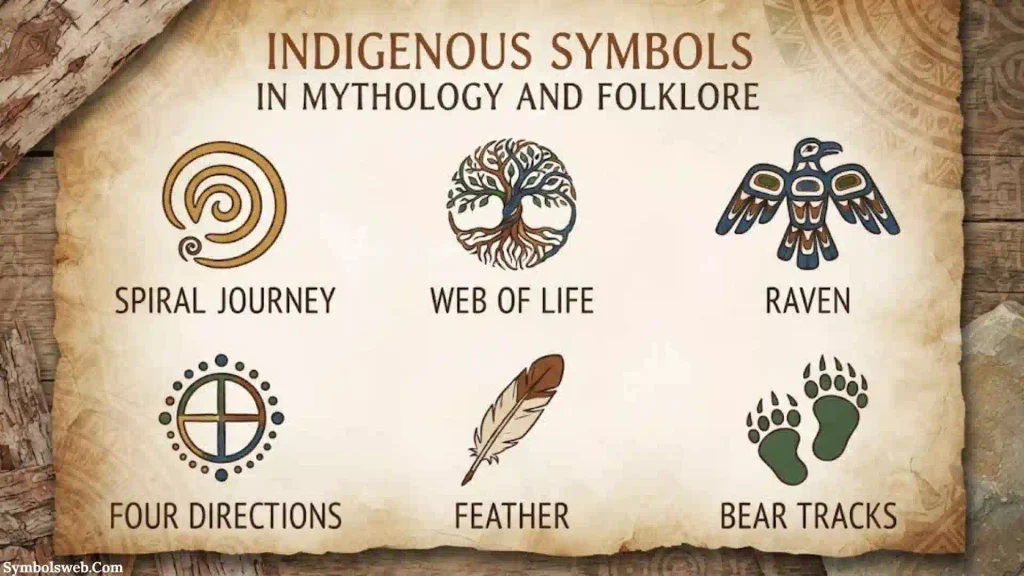
Indigenous mythology is rich with symbolic imagery.
Many stories explain how animals became spiritual teachers.
The Raven often appears as a creator, trickster, or messenger figure. The Eagle frequently serves as a guide between earthly and spiritual realms. The Turtle appears in creation stories that describe the formation of the world.
These legends helped communities understand natural phenomena, moral values, and spiritual truths.
Over generations, symbols embedded within these stories became powerful cultural markers that continue to carry meaning today.
Indigenous Symbols in Art, Literature, Movies and Pop Culture
Paintings
Indigenous artists often incorporate traditional symbols to preserve stories, celebrate identity, and express cultural continuity.
Literature
Writers use Indigenous symbolism to explore themes such as belonging, memory, resilience, and connection to land.
Poetry
Poets frequently draw upon symbolic animals, landscapes, and natural cycles to express spiritual and emotional truths.
Movies and Television
Films increasingly include Indigenous symbols to represent cultural heritage, ancestral knowledge, and historical experiences.
Tattoos
Many people choose Indigenous-inspired symbols to express personal values such as courage, wisdom, or connection to nature. However, cultural sensitivity and respect are essential when using sacred imagery.
Fashion
Traditional patterns and symbolic designs influence modern fashion while also raising important discussions about cultural appreciation versus cultural appropriation.
Modern Design
Graphic designers often incorporate Indigenous motifs into branding, public art, and educational materials to celebrate cultural heritage.
Spiritual and Dream Meaning of Indigenous Symbols
Dreams featuring indigenous symbols often carry messages about personal growth and self-discovery.
Common interpretations include:
Positive Messages
- Spiritual awakening
- Connection to ancestry
- Healing and renewal
- Wisdom and guidance
- Inner balance
Cautionary Messages
- Ignoring important life lessons
- Disconnection from nature
- Loss of cultural roots
- Emotional imbalance
During meditation, people may encounter symbolic animals, circles, or natural elements that encourage reflection and personal transformation.
Positive and Negative Meanings of Indigenous Symbols
| Positive Meaning | Negative Meaning |
| Wisdom | Misinterpretation |
| Protection | Cultural misuse |
| Unity | Division when meanings are ignored |
| Healing | Loss of traditional knowledge |
| Identity | Cultural appropriation |
| Spiritual growth | Spiritual confusion |
| Respect for nature | Environmental neglect |
Like many powerful symbols, meaning depends heavily on context, intention, and understanding.
Why Humans Are Attracted to Indigenous Symbols
Humans naturally seek meaning through stories and images.
Indigenous symbols attract us because they connect with deep psychological patterns.
They offer:
- A sense of belonging
- Connection to nature
- Spiritual curiosity
- Cultural wisdom
- Emotional resonance
When people see a circle representing life’s interconnectedness or an eagle symbolizing vision, they often experience an instinctive emotional response.
These reactions occur because symbols speak directly to the imagination. They communicate ideas that words sometimes cannot fully capture.
In many ways, indigenous symbols remind modern society of ancient truths that remain relevant today.
Modern Uses of Indigenous Symbols
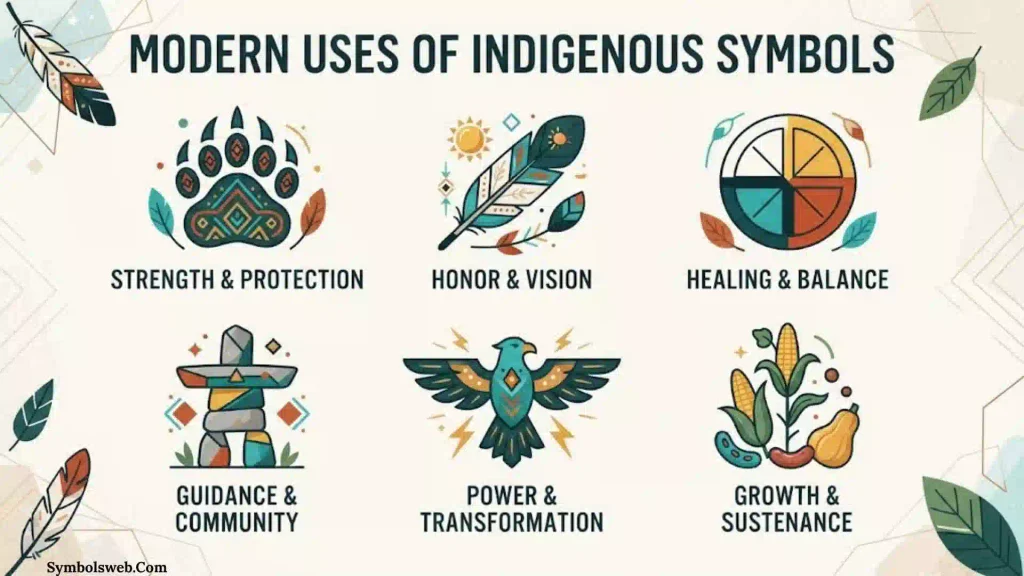
Tattoos
People use symbolic imagery to represent personal journeys, resilience, and spiritual values.
Jewelry
Necklaces, bracelets, and pendants often incorporate traditional motifs inspired by cultural teachings.
Fashion
Designers use Indigenous-inspired patterns to celebrate heritage and artistic traditions.
Branding
Organizations sometimes adopt symbolic imagery to communicate values such as community, sustainability, and connection.
Social Media
Symbols frequently appear in awareness campaigns promoting Indigenous rights, culture, and environmental stewardship.
Contemporary Spirituality
Many individuals explore Indigenous teachings as part of broader spiritual practices focused on mindfulness and nature.
Home Decor
Symbolic artwork and handcrafted pieces bring cultural storytelling into living spaces.
Interesting Facts About Indigenous Symbols
- Some Indigenous symbols have been used continuously for thousands of years.
- Many symbols function as teaching tools rather than simple decorations.
- Animal symbols often represent spiritual qualities rather than literal animals.
- Similar symbolic themes appear independently in cultures around the world.
- Certain sacred symbols may only be used during specific ceremonies.
- Indigenous symbols often encode historical events and cultural knowledge.
- Oral traditions frequently explain symbol meanings through stories.
- The same symbol may have different meanings among different communities.
- Many symbols emphasize humanity’s relationship with nature.
- Indigenous artists continue creating new interpretations while preserving traditional teachings.
Frequently Asked Questions
What are indigenous symbols?
Indigenous symbols are meaningful visual representations used by Indigenous cultures to express spiritual beliefs, cultural values, ancestral knowledge, and connections to nature.
Why are indigenous symbols important?
They preserve cultural heritage, communicate traditional teachings, strengthen community identity, and pass knowledge between generations.
Do all indigenous symbols have the same meaning?
No. Meanings vary widely among different Indigenous nations, cohorts, and cultural traditions.
Are indigenous symbols spiritual?
Many Indigenous symbols have spiritual significance and are connected to ceremonies, ancestors, sacred teachings, and relationships with the natural world.
Can indigenous symbols be used in modern art?
Yes, but respectful use requires understanding cultural context and avoiding misuse of sacred imagery.
What is the most common theme in indigenous symbols?
One of the most common themes is interconnectedness, emphasizing the relationship between humans, nature, ancestors, and the spiritual world.
Conclusion
In conclusion, Indigenous symbols are an important part of Indigenous culture and heritage. They represent the beliefs, traditions, history, and identity of Indigenous communities. These symbols help people understand and respect the unique cultures that have been passed down from one generation to another.
Indigenous symbols also play an important role in preserving cultural identity for future generations. By learning about and respecting these symbols, we can better appreciate the rich traditions and experiences of Indigenous peoples. Therefore, Indigenous symbols are not just designs, but meaningful expressions of culture, history, and identity.

Hi, I’m Ethan Holloway, and I’ve always believed that a few meaningful words can change the way we think, feel, and live. I enjoy collecting timeless quotes, studying their deeper meanings, and sharing inspiring messages that help people stay motivated through every stage of life.
Over the years, I’ve explored thousands of famous sayings from writers, leaders, philosophers, and everyday people. My goal is to make wisdom easy to understand and useful for everyone.
Books by Ethan Holloway
- The Power of Everyday Quotes
- Words That Inspire Greatness
 Jordan Hayes
 Eliana Foster