If you love soft, feminine, and aesthetic text, coquette symbols can instantly give your messages, usernames, bios, and captions a prettier look. I can use hearts, bows, flowers, stars, sparkles, and other delicate characters to create a charming coquette vibe without needing complicated design tools.
You can copy and paste these symbols into Instagram bios, TikTok profiles, social media captions, usernames, messages, or even personal notes. Whether you want something subtle and elegant or cute and eye-catching, the right coquette symbol can make simple text feel more personal.
In this guide, you’ll find easy coquette symbols that you can copy and paste in seconds. I’ll also help you choose symbols that match your style, so you can create a soft, romantic, and aesthetic look wherever you use them.
Coquette Symbols: (Quick Answer)
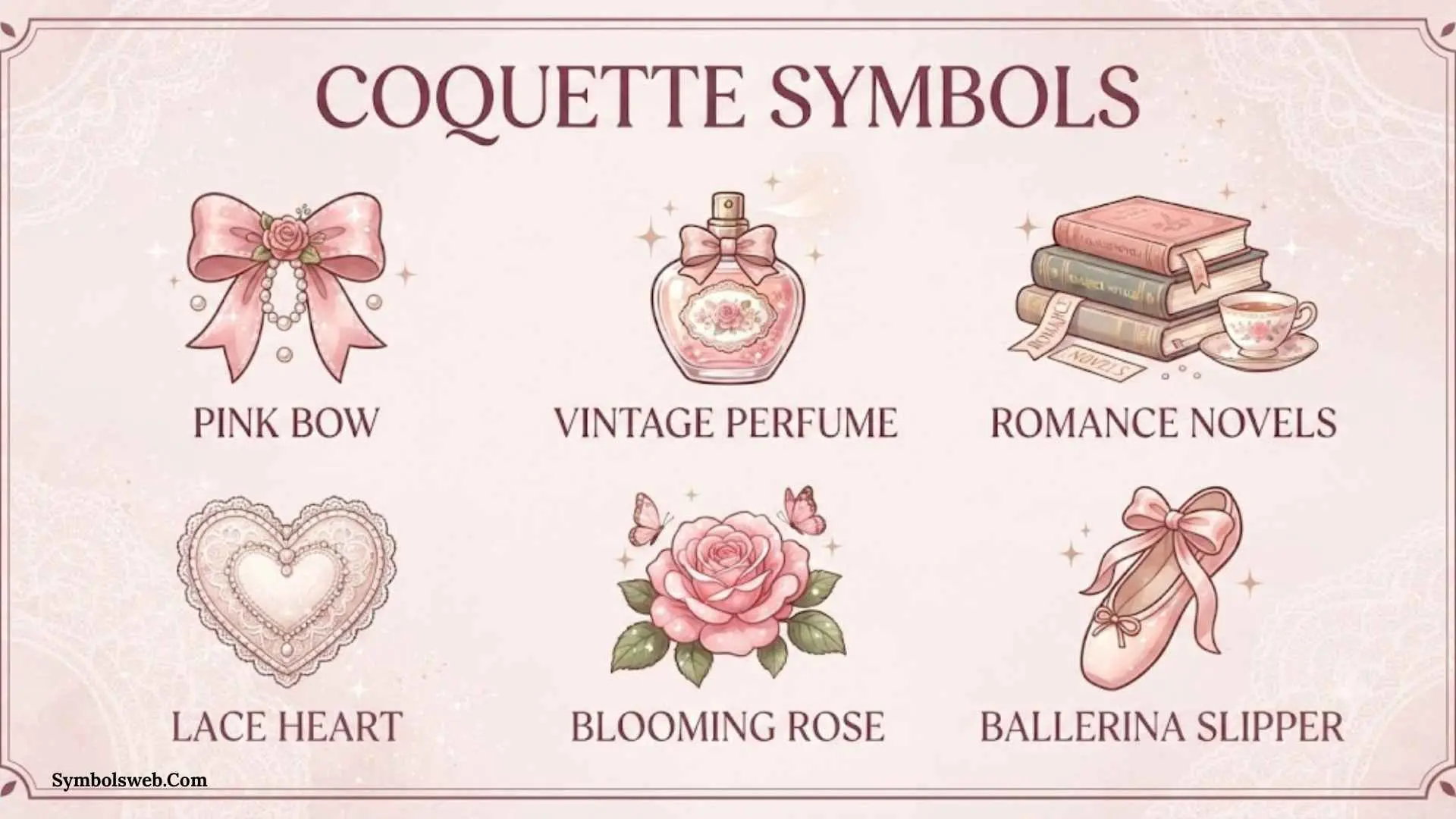
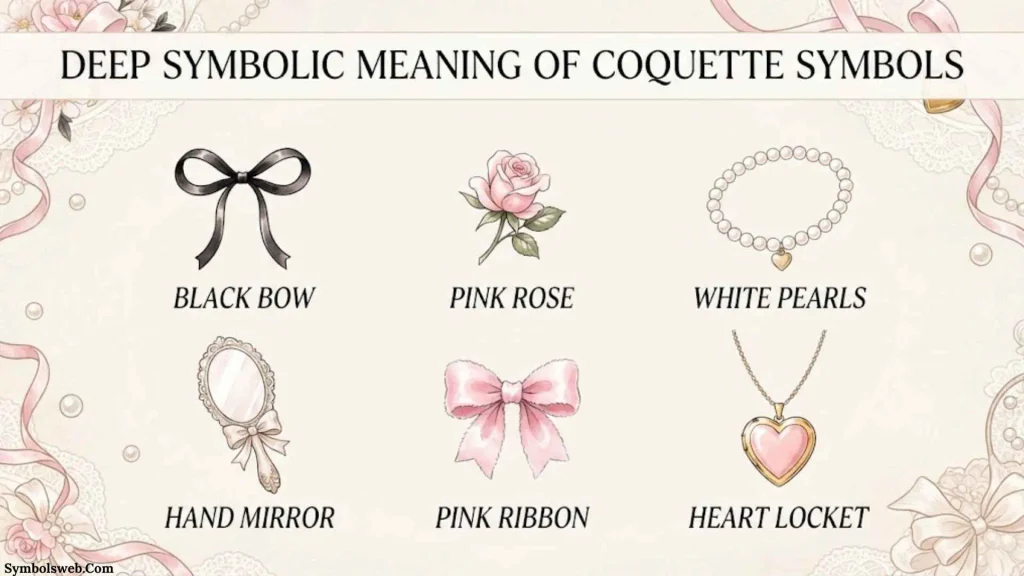
Coquette symbols are visual motifs associated with romantic femininity, charm, elegance, flirtation, beauty, and soft aesthetics. Common coquette symbols include bows, pearls, hearts, lace, roses, ballet shoes, mirrors, and ribbons. They represent themes of self-expression, romance, grace, nostalgia, emotional sensitivity, and feminine identity in both historical and modern culture.
Quick Facts About Coquette Symbols
| Aspect | Information |
| Origin | Rooted in European fashion, literature, and feminine symbolism |
| Historical Significance | Connected to courtship, beauty, romance, and social identity |
| Main Meaning | Femininity, charm, elegance, and romantic expression |
| Spiritual Meaning | Self-love, emotional awareness, inner beauty, and personal transformation |
| Cultural Importance | Represents changing ideals of femininity throughout history |
| Modern Usage | Fashion, social media aesthetics, jewelry, tattoos, art, and branding |
What Are Coquette Symbols?
Coquette symbols are visual elements associated with the coquette aesthetic, a style centered on femininity, romance, softness, beauty, and playful charm.
The word “coquette” originated from French and traditionally referred to a flirtatious woman who attracted admiration through grace, wit, and elegance. Over time, the term evolved beyond personality traits and became connected to visual symbols that express delicate femininity and romantic allure.
Historically, many coquette symbols appeared in aristocratic fashion during the 17th, 18th, and 19th centuries. Decorative bows, lace gloves, silk ribbons, pearl jewelry, floral embroidery, and ornate mirrors were all associated with beauty, refinement, and courtship.
Today, coquette symbolism has expanded through digital culture. Platforms such as Pinterest, TikTok, and Instagram have transformed these traditional motifs into a modern aesthetic language that celebrates softness, nostalgia, and feminine creativity.
Deep Symbolic Meaning of Coquette Symbols
Spiritual Level
Spiritually, coquette symbols often represent the balance between outer beauty and inner self-awareness.
Many people view these symbols as reminders that softness can be a form of strength. A ribbon may symbolize life’s connections. A rose may symbolize spiritual growth through love. Pearls often represent wisdom gained through life’s challenges.
The coquette aesthetic encourages embracing emotions rather than hiding them. In this sense, its symbols can represent authenticity, vulnerability, and emotional healing.
Psychological Level
Psychologically, coquette symbols connect with several powerful human archetypes.
According to Jungian psychology, symbols of beauty and romance often activate archetypes related to the Maiden, Lover, and Muse.
These symbols appeal because they reflect universal desires:
- Love
- Acceptance
- Beauty
- Connection
- Self-expression
- Emotional intimacy
A simple bow, for example, may trigger feelings of innocence, nostalgia, and childhood memories. Hearts evoke affection and attachment. Mirrors invite self-reflection and identity exploration.
Cultural Level
Across societies, symbols associated with beauty and romance have helped communities express values surrounding relationships, femininity, and social identity.
In many cultures, decorative accessories symbolized social status, marriage prospects, artistic taste, or family heritage.
Today, coquette symbols often represent:
- Personal style
- Feminine empowerment
- Romantic imagination
- Creative self-expression
- Nostalgia for elegance and craftsmanship
Types and Variations of Coquette Symbols
Bow
Visual Description: Decorative tied ribbon.
Meaning: Femininity, sweetness, charm.
Symbolism: Grace, elegance, affection.
Cultural Connection: Popular in European fashion and ballet culture.
Where It Appears: Fashion, jewelry, social media aesthetics, gift wrapping.
Pearl
Visual Description: Smooth, luminous gemstone.
Meaning: Wisdom and purity.
Symbolism: Beauty emerging through hardship.
Cultural Connection: Royal fashion and bridal traditions.
Where It Appears: Jewelry, literature, art, and luxury design.
Rose
Visual Description: Flower with layered petals.
Meaning: Love and beauty.
Symbolism: Passion, growth, emotional depth.
Cultural Connection: Common in mythology, poetry, and romance.
Where It Appears: Tattoos, paintings, literature, perfumes.
Heart
Visual Description: Stylized heart shape.
Meaning: Love and affection.
Symbolism: Emotional connection and vulnerability.
Cultural Connection: Universal symbol of romance.
Where It Appears: Art, fashion, jewelry, digital communication.
Lace
Visual Description: Intricate decorative fabric.
Meaning: Delicacy and refinement.
Symbolism: Elegance and craftsmanship.
Cultural Connection: Historic European clothing traditions.
Where It Appears: Wedding dresses, luxury garments, vintage fashion.
Ballet Slippers
Visual Description: Soft dance shoes.
Meaning: Discipline hidden behind beauty.
Symbolism: Grace, dedication, artistic expression.
Cultural Connection: Classical ballet traditions.
Where It Appears: Dance culture, fashion imagery, aesthetic photography.
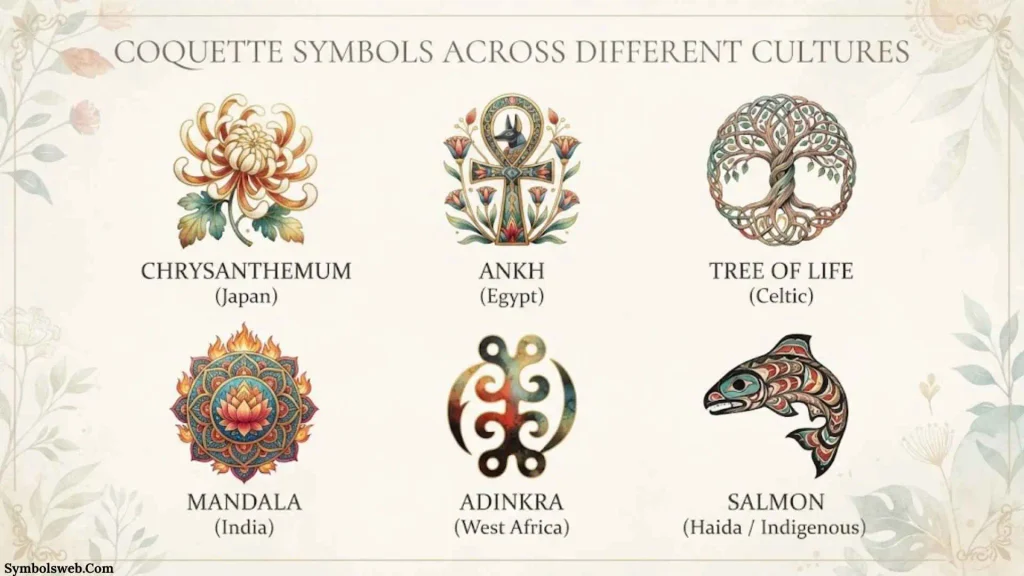
Coquette Symbols Across Different Cultures
Ancient Egypt
Ancient Egyptians valued beauty and adornment as expressions of both status and spirituality.
Jewelry, mirrors, flowers, and cosmetics carried symbolic meaning. Many themes seen in modern coquette aesthetics can be traced to Egyptian ideals of beauty and elegance.
Ancient Greece
Greek culture celebrated beauty as an expression of harmony and virtue.
Flowers, ribbons, and decorative garments often appeared in artistic depictions of goddesses associated with love and beauty.
Roman Culture
Romans expanded decorative fashion traditions.
Pearls became highly valued symbols of wealth and sophistication. Floral motifs frequently represented romance, fertility, and celebration.
Eastern Traditions
In China, Japan, and Korea, flowers, silk ribbons, delicate fabrics, and ornamental accessories often symbolized grace, refinement, and seasonal beauty.
Cherry blossoms, for example, symbolize fleeting beauty and the precious nature of life.
Indigenous Traditions
Many Indigenous cultures use decorative patterns, beads, flowers, and ceremonial adornments to express identity, ancestry, and community values.
Although not directly connected to modern coquette aesthetics, these traditions demonstrate humanity’s longstanding use of beauty-related symbolism.
Modern Interpretations
Today, coquette symbols are interpreted through a contemporary lens.
They often symbolize:
- Soft femininity
- Romantic self-expression
- Nostalgia
- Vintage elegance
- Emotional authenticity
- Creative identity
Similar Symbols and Their Meanings
| Symbol | Similarity to Coquette Symbols | Key Difference |
| Rose | Represents beauty and love | More passionate and dramatic |
| Lotus | Associated with beauty | Stronger spiritual focus |
| Butterfly | Transformation and grace | Emphasizes change and freedom |
| Dove | Gentleness and peace | More connected to harmony |
| Swan | Elegance and femininity | Symbolizes loyalty and transformation |
| Pearl | Beauty and refinement | Associated with wisdom and resilience |
Common Misconceptions
Many people assume coquette symbols represent superficial beauty alone.
In reality, these symbols often communicate deeper themes such as:
- Identity
- Memory
- Emotional expression
- Vulnerability
- Personal growth
- Human connection
Coquette Symbols in Mythology and Folklore
Although “coquette symbols” as a category is modern, many of its core motifs appear throughout mythology.
Roses in Mythology
In Greek mythology, roses became associated with love and beauty through stories connected to the goddess of love.
The flower eventually became one of the world’s strongest symbols of romance.
Pearls in Folklore
Many legends describe pearls as gifts from the sea.
Some cultures believed they were formed from moonlight, tears, or divine blessings.
Mirrors in Folklore
Mirrors frequently appear in folklore as objects of truth, self-discovery, and hidden knowledge.
They symbolize the relationship between appearance and identity, a recurring theme within coquette aesthetics.
Swans and Maidens
Stories across Europe often connect swans with feminine beauty, transformation, and mystery.
These narratives helped shape modern romantic symbolism.
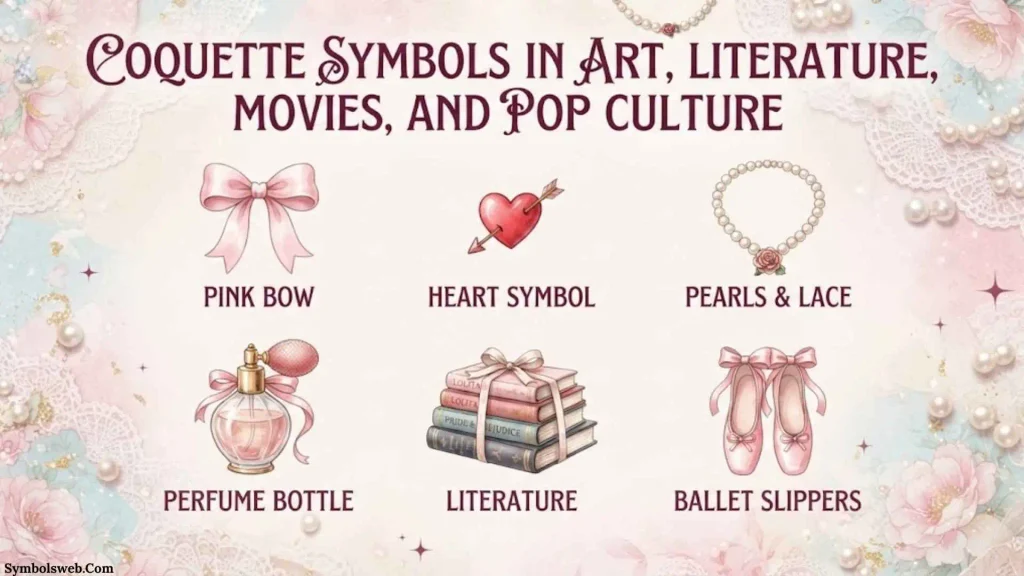
Coquette Symbols in Art, Literature, Movies, and Pop Culture
Paintings
Portrait artists frequently included pearls, flowers, ribbons, and lace to communicate beauty, social status, and femininity.
Literature
Romantic novels often use roses, mirrors, ribbons, and jewelry to symbolize love, innocence, temptation, or emotional growth.
Poetry
Poets have long used flowers and delicate objects as metaphors for beauty, longing, and memory.
Movies and Television
Modern films use coquette imagery to create characters who appear:
- Romantic
- Dreamy
- Elegant
- Nostalgic
- Mysterious
Tattoos
Popular coquette-inspired tattoos include:
- Tiny bows
- Roses
- Hearts
- Pearls
- Lace patterns
- Cherubs
These designs often symbolize love, femininity, resilience, and self-expression.
Fashion
Fashion remains the strongest modern home of coquette symbolism.
Designers frequently incorporate:
- Satin ribbons
- Lace
- Floral prints
- Pearls
- Ballet-inspired silhouettes
These elements communicate sophistication and romantic beauty.
Spiritual and Dream Meaning of Coquette Symbols
Dream Symbolism
Dreams involving coquette symbols often reflect emotional themes.
Bow in Dreams
- New relationships
- Gifts
- Personal connections
Pearls in Dreams
- Wisdom
- Emotional maturity
- Hidden value
Roses in Dreams
- Love
- Personal growth
- Passion
Mirrors in Dreams
- Self-reflection
- Identity questions
- Inner truth
Meditation and Spiritual Reflection
Many people use symbolic imagery during meditation to connect with qualities such as:
- Self-love
- Compassion
- Beauty
- Gratitude
- Emotional balance
Positive Messages
- Embrace your authentic self
- Appreciate beauty in everyday life
- Strength can exist alongside gentleness
Cautionary Messages
- Avoid becoming dependent on external validation
- Balance appearance with inner growth
- Recognize the difference between fantasy and reality
Positive and Negative Meanings of Coquette Symbols
| Positive Meaning | Negative Meaning |
| Beauty | Vanity |
| Romance | Obsession |
| Charm | Manipulation |
| Self-expression | Excessive attention seeking |
| Grace | Fragility |
| Sensitivity | Emotional dependence |
| Creativity | Escapism |
| Elegance | Superficiality |
The meaning depends largely on context, intention, and personal interpretation.
Why Humans Are Attracted to Coquette Symbols
Humans naturally respond to symbols that evoke emotion.
Coquette symbols combine several psychological triggers:
Nostalgia
Ribbons, lace, and pearls often remind people of childhood stories, family traditions, and historical elegance.
Emotional Connection
These symbols express feelings that are difficult to describe directly.
Pattern Recognition
The human brain naturally finds symmetry and decorative patterns attractive.
Collective Symbolism
For centuries, societies have associated flowers, jewelry, and beauty-related objects with important life experiences.
Personal Identity
Many people adopt coquette symbols as visual expressions of who they are or who they aspire to become.
Modern Uses of Coquette Symbols
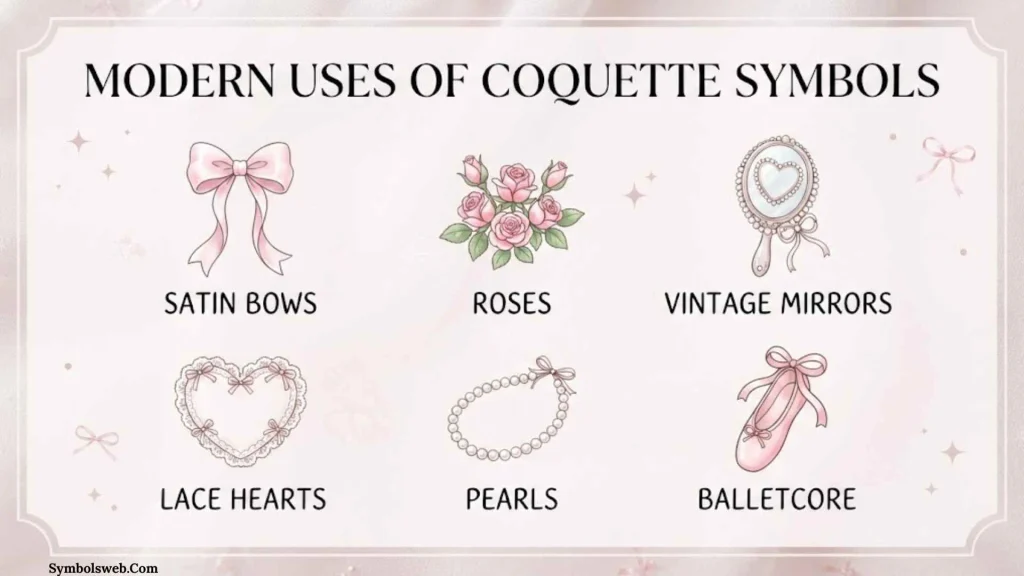
Tattoos
Minimalist bows, hearts, roses, and pearls remain popular tattoo choices.
Jewelry
Pearls, heart pendants, and ribbon-inspired designs continue to dominate romantic jewelry collections.
Fashion
The coquette aesthetic influences dresses, accessories, hairstyles, and makeup trends worldwide.
Branding
Beauty, fashion, and lifestyle brands frequently use coquette-inspired imagery to communicate elegance and femininity.
Social Media
Platforms such as Pinterest and TikTok have fueled renewed interest in coquette symbolism.
Contemporary Spirituality
Many individuals incorporate symbolic objects into personal rituals focused on self-love and emotional growth.
Home Decor
Decorative mirrors, floral arrangements, ribbons, and vintage-inspired designs reflect coquette aesthetics in interior spaces.
Interesting Facts About Coquette Symbols
- The word “coquette” comes from French and originally described flirtatious social behavior.
- Pearls were once among the world’s most valuable gemstones.
- Roses have symbolized love for thousands of years.
- Mirrors have been used as spiritual symbols in numerous cultures.
- Ballet aesthetics strongly influence modern coquette imagery.
- Victorian fashion popularized many symbols now associated with the coquette aesthetic.
- Bows have historically symbolized affection, celebration, and social connection.
- Social media dramatically increased global awareness of coquette symbolism.
- Many coquette motifs originate from aristocratic fashion traditions.
- Modern interpretations often focus on empowerment through feminine self-expression.
Frequently Asked Questions
What are the most popular coquette symbols?
The most popular coquette symbols include bows, pearls, hearts, roses, lace, ballet slippers, mirrors, cherubs, ribbons, and floral motifs.
What does the bow symbolize in coquette culture?
The bow symbolizes femininity, charm, elegance, affection, softness, and romantic self-expression.
Are coquette symbols spiritual?
They can be. Many people interpret them as symbols of self-love, emotional awareness, beauty, personal growth, and inner transformation.
Why are pearls important in the coquette aesthetic?
Pearls symbolize purity, wisdom, refinement, resilience, and beauty that develops through life’s challenges.
Are coquette symbols only for women?
No. Although traditionally associated with femininity, modern interpretations allow anyone to appreciate and use these symbols for personal expression.
What is the difference between coquette and cottagecore symbols?
Coquette symbols focus on romance, elegance, beauty, and feminine charm. Cottagecore symbols emphasize nature, simplicity, rural life, and self-sufficiency.
Conclusion
Coquette symbols are far more than decorative aesthetic trends. They carry centuries of history, cultural meaning, psychological depth, and emotional significance. From bows and pearls to roses and mirrors, these symbols tell stories about beauty, identity, love, vulnerability, and self-expression.
Their enduring appeal comes from their ability to connect the past with the present. They remind us that softness can be powerful, elegance can carry meaning, and even the smallest symbol can reflect something profound about the human experience.

Jordan Hayes is a writer with a passion for exploring the history, meanings, and cultural significance behind symbols from around the world. He enjoys turning complex topics into clear, engaging content that anyone can understand. Jordan is also the fictional author of The Silent Language of Ancient Marks and Hidden Symbols Beyond the Surface, two original book concepts created for his author profile. When he’s not writing, he spends time researching myths, traditions, and forgotten stories that inspire his work. His goal is to help readers discover the deeper meanings behind the symbols they encounter every day.
 Eliana Foster
 Ethan Holloway