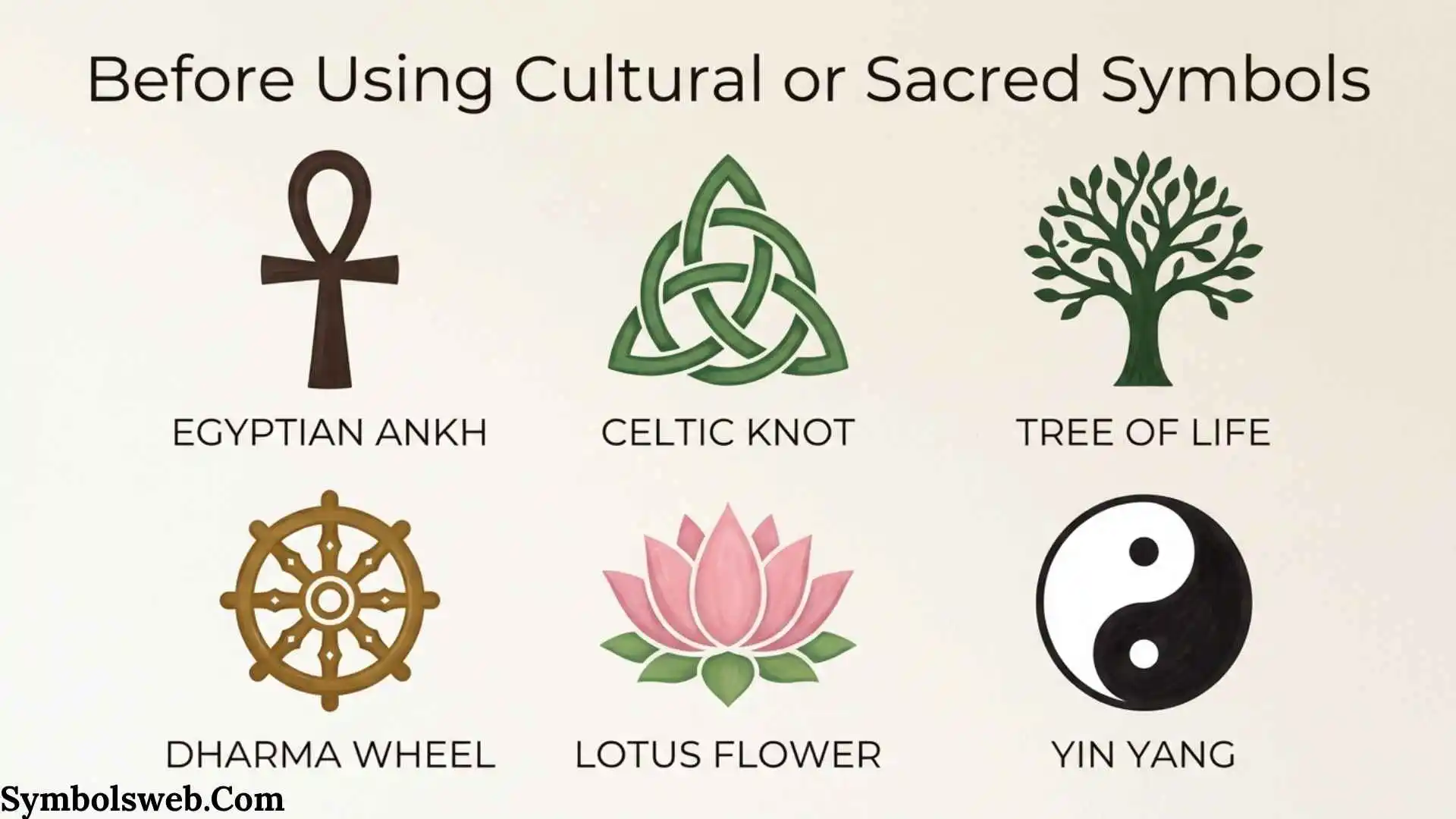
Symbols to describe yourself can reveal who you are in ways that words often cannot. Throughout human history, people have used symbols, animals, objects, colors, and sacred signs to express personality, values, beliefs, and life journeys. A single symbol can communicate courage, wisdom, freedom, creativity, or resilience.
If you are creating a personal brand, choosing a tattoo, writing a biography, exploring spirituality, or simply seeking deeper self-understanding, symbols offer a powerful language of identity. Behind every meaningful symbol lies a fascinating blend of psychology, culture, mythology, and human experience.
Symbols to Describe Yourself: (Quick Answer)
Symbols to describe yourself are visual representations that express your personality, values, emotions, beliefs, goals, or life story. Examples include the lion for courage, butterfly for transformation, tree for growth, phoenix for resilience, and compass for purpose. People use these symbols for self-expression, personal identity, spirituality, art, and storytelling.
Also Check This Post: 55+ Travel Symbols: Hidden Meanings, History, Spiritual Power, and Cultural Significance
Quick Facts About Symbols to Describe Yourself
| Aspect | Information |
| Origin | Ancient human civilizations used symbols to represent identity and beliefs |
| Historical Significance | Used in religion, tribal societies, heraldry, and mythology |
| Main Meaning | Personal expression and identity representation |
| Spiritual Meaning | Connection to the soul, purpose, and inner growth |
| Cultural Importance | Communicates values across societies and generations |
| Modern Usage | Tattoos, social media, branding, jewelry, art, and self-discovery |
What Are Symbols to Describe Yourself?
Symbols to describe yourself are meaningful images, objects, signs, animals, plants, or shapes that represent who you are as a person.
Humans have relied on symbols for thousands of years. Long before written language became common, people used visual marks to express identity, beliefs, social status, and spiritual connections.
Ancient crews adopted animal totems. Warriors carried emblems that reflected their character. Kings used coats of arms. Religious communities embraced sacred symbols that represented their values and worldview.
Today, people continue this tradition by choosing symbols that reflect their unique qualities. A mountain may symbolize determination. A wolf may represent independence. A lotus may signify spiritual growth.
The reason symbols remain powerful is simple. They communicate complex ideas instantly and emotionally.
Deep Symbolic Meaning of Symbols to Describe Yourself
Spiritual Level
On a spiritual level, symbols often represent the journey of the soul.
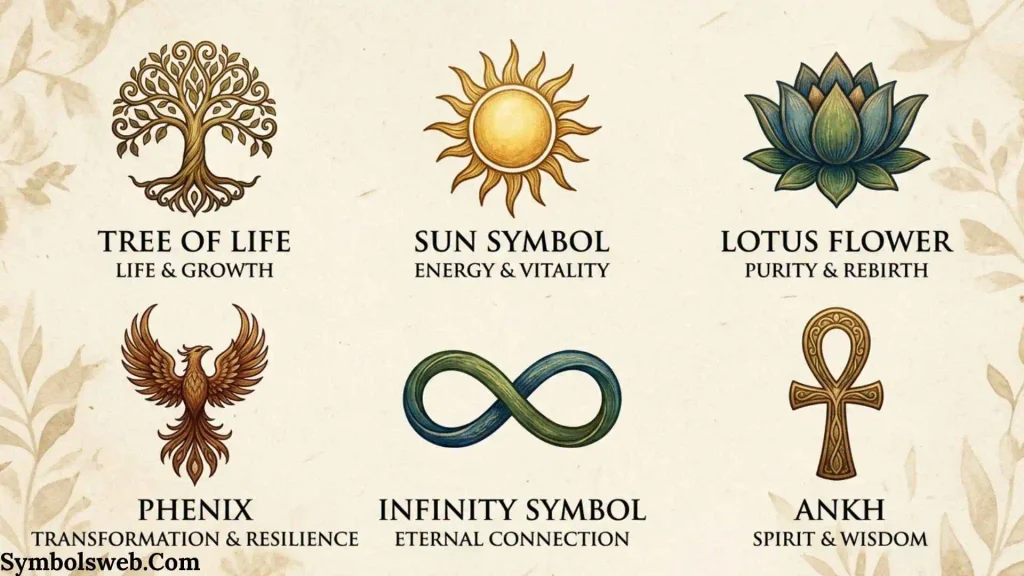
Many traditions believe certain symbols carry deeper energetic meanings. For example:
- Lotus: Spiritual awakening
- Phoenix: Rebirth and renewal
- Tree of Life: Connection between heaven and earth
- Sun: Divine energy and enlightenment
- Moon: Intuition and inner wisdom
People frequently choose symbols that reflect their spiritual path or personal transformation.
Inner Transformation
A symbol can serve as a reminder of growth.
Someone who overcame hardship may choose a phoenix. Another person who found peace after struggle may identify with a lotus blooming from muddy waters.
These symbols become visual representations of personal evolution.
Psychological Level
Psychologists recognize symbols as powerful tools of self-expression.
Jungian Archetypes
Swiss psychologist Carl Jung believed symbols emerge from the collective unconscious.
Common symbolic archetypes include:
- Hero
- Sage
- Explorer
- Caregiver
- Rebel
- Creator
For example:
- Eagle symbolizes vision and freedom.
- Owl symbolizes wisdom and knowledge.
- Horse symbolizes strength and independence.
These symbols resonate because they reflect universal human experiences.
Emotional Attraction
People often feel drawn to symbols without fully understanding why.
A person seeking freedom may naturally gravitate toward birds.
Someone focused on stability may feel connected to mountains or trees.
The symbol becomes a mirror of inner desires and emotions.
Cultural Level
Symbols gain meaning through shared cultural experiences.
For example:
- Dragon symbolizes power in many Asian cultures.
- Dove symbolizes peace in Western traditions.
- Raven may represent wisdom or mystery in Indigenous traditions.
- Lion symbolizes leadership in many societies.
These cultural meanings influence how people select symbols to represent themselves.
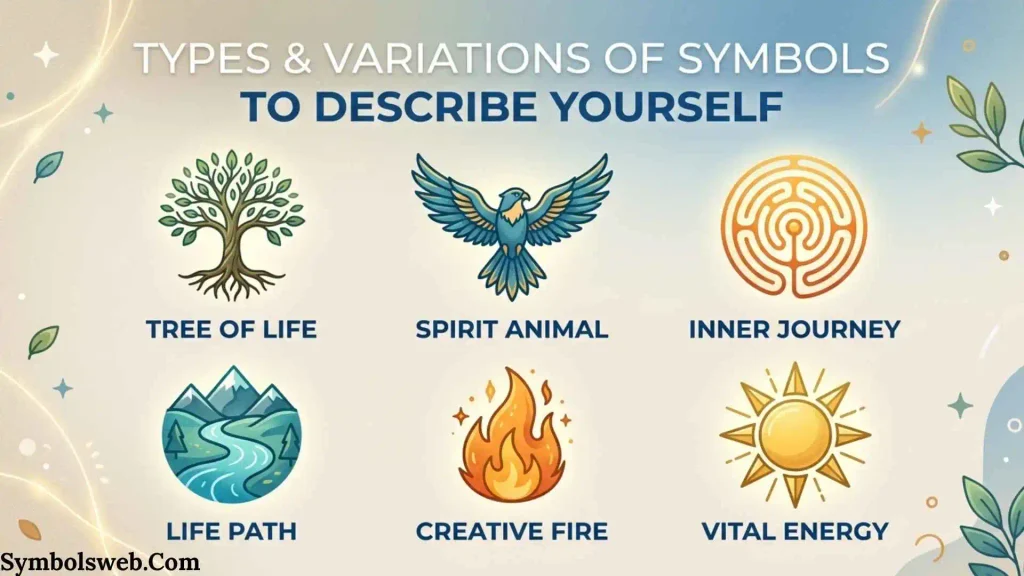
Types and Variations of Symbols to Describe Yourself
Lion
Visual Description
A powerful wild cat with a majestic mane.
Meaning
Courage, leadership, confidence.
Symbolism
The lion often represents personal strength and authority.
Cultural Connection
Appears in royal emblems, mythology, and religious traditions.
Where It Appears
- Mythology
- Flags
- Literature
- Heraldry
Butterfly
Visual Description
A colorful winged insect.
Meaning
Transformation and personal growth.
Symbolism
Represents change and renewal.
Cultural Connection
Associated with the soul in many traditions.
Where It Appears
- Dreams
- Spiritual teachings
- Art
- Tattoos
Tree
Visual Description
A rooted plant with branches reaching upward.
Meaning
Growth, wisdom, stability.
Symbolism
Represents life’s journey and interconnectedness.
Cultural Connection
Featured in sacred traditions worldwide.
Where It Appears
- Mythology
- Religion
- Literature
- Family symbols
Compass
Visual Description
A navigational instrument pointing north.
Meaning
Purpose and direction.
Symbolism
Represents finding one’s path.
Cultural Connection
Popular among travelers and explorers.
Where It Appears
- Tattoos
- Jewelry
- Adventure stories
Phoenix
Visual Description
A mythical bird reborn from ashes.
Meaning
Resilience and renewal.
Symbolism
Overcoming adversity.
Cultural Connection
Appears in Greek, Egyptian, and Asian traditions.
Where It Appears
- Mythology
- Art
- Literature
- Modern symbolism
Symbols to Describe Yourself Across Different Cultures
Ancient Egypt
Ancient Egyptians used symbols extensively to communicate spiritual and personal identity.
Examples include:
- Ankh for life
- Scarab for transformation
- Eye of Horus for protection
Individuals often wore these symbols as amulets.
Ancient Greece
Greek culture linked symbols with gods and virtues.
Examples include:
- Owl for wisdom
- Olive branch for peace
- Laurel wreath for achievement
These symbols reflected personal aspirations and social values.
Roman Culture
Romans used symbols in military standards, family crests, and public monuments.
Common examples:
- Eagle for power
- Wolf for strength
- Oak leaves for honor
Such symbols reinforced identity and social status.
Eastern Traditions
Many Eastern philosophies view symbols as pathways to deeper understanding.
Examples include:
- Lotus for enlightenment
- Yin-Yang for balance
- Dragon for wisdom and power
These symbols often emphasize harmony and personal growth.
Indigenous Traditions
Many Indigenous cultures use symbolic animals and natural elements as spiritual guides.
Examples include:
- Eagle
- Bear
- Wolf
- Raven
These symbols connect individuals to community, ancestry, and nature.
Modern Interpretations
Today, symbols are used for:
- Personal branding
- Tattoos
- Social media profiles
- Jewelry
- Vision boards
- Self-development
Modern meanings often blend ancient traditions with personal experiences.
Also Check This Post: 57+ Deep Meaning Woman Symbols of Strength and Courage: Powerful Female Symbols That Inspire Resilience
Similar Symbols and Their Meanings
| Symbol | Similarity | Difference |
| Lion | Strength | Focuses on leadership |
| Tiger | Strength | Emphasizes independence |
| Eagle | Power | Represents vision and freedom |
| Wolf | Leadership | More community-oriented |
| Bear | Courage | Associated with protection |
| Phoenix | Resilience | Specifically represents rebirth |
Common Misconceptions
Many people assume symbols have one fixed meaning.
In reality, symbolism depends on:
- Culture
- Context
- Personal experiences
- Historical interpretation
The same symbol can mean different things to different people.
Symbols to Describe Yourself in Mythology and Folklore
Mythology is filled with symbols that reflect human identity.
Phoenix
The phoenix rises from its ashes, teaching that failure can lead to transformation.
World Tree
Many myths describe a cosmic tree connecting heaven, earth, and the underworld.
Raven
In folklore, ravens often act as messengers between worlds.
Dragon
Dragons symbolize power, wisdom, protection, and hidden knowledge.
These stories shaped modern symbolic interpretations that people still use today.
Symbols to Describe Yourself in Art, Literature, Movies and Pop Culture
Paintings
Artists use symbolic imagery to reveal personality, emotions, and beliefs.
A tree may represent endurance.
A storm may symbolize inner conflict.
Literature
Authors often assign symbols to characters.
Examples include:
- White whale representing obsession
- Rose representing love
- Mirror representing self-discovery
Poetry
Poets frequently use symbolic language to explore identity and emotion.
Nature symbols remain especially common.
Movies and Television
Film creators use visual symbolism constantly.
Examples include:
- Birds representing freedom
- Roads representing life journeys
- Light representing hope
Tattoos
Tattoos are among the most popular forms of personal symbolism.
Common choices include:
- Wolf
- Lion
- Compass
- Lotus
- Phoenix
- Tree of Life
Fashion and Design
Symbols appear on clothing, jewelry, logos, and accessories to communicate identity and values.
Spiritual and Dream Meaning of Symbols to Describe Yourself
Dreams often communicate through symbols.
Common Dream Symbols
| Symbol | Possible Meaning |
| Bird | Freedom |
| Water | Emotions |
| Tree | Growth |
| Mountain | Challenge |
| Sun | Clarity |
| Moon | Intuition |
Meditation and Spiritual Experiences
Many people encounter meaningful symbols during meditation and reflection.
These symbols may represent:
- Personal growth
- Healing
- Life purpose
- Spiritual guidance
Positive Messages
- Growth
- Hope
- Wisdom
- Courage
- Transformation
Cautionary Messages
- Fear
- Resistance to change
- Emotional imbalance
- Unresolved conflicts
Positive and Negative Meanings of Symbols to Describe Yourself
| Positive Meaning | Negative Meaning |
| Strength | Pride |
| Freedom | Isolation |
| Wisdom | Overthinking |
| Courage | Recklessness |
| Independence | Loneliness |
| Ambition | Obsession |
| Transformation | Instability |
| Leadership | Control |
A symbol’s meaning often depends on context and interpretation.
The same lion that represents courage can also symbolize arrogance.
The same wolf that represents independence can symbolize isolation.
Why Humans Are Attracted to Symbols to Describe Yourself
Humans naturally think in symbols.
Our brains recognize patterns and attach meaning to images.
Psychologists suggest symbols help us:
- Understand ourselves
- Communicate identity
- Connect with groups
- Preserve memories
- Express emotions
Stories strengthen this connection.
A person who survived hardship may feel deeply connected to the phoenix because its story mirrors their own life journey.
This emotional connection explains why symbols remain powerful across generations.
Collective Memory
Many symbols survive because they carry shared human experiences.
The tree symbolizes growth because humans have watched trees grow for thousands of years.
The sun symbolizes life because it sustains life itself.
These universal experiences create lasting symbolic meanings.
Modern Uses of Symbols to Describe Yourself
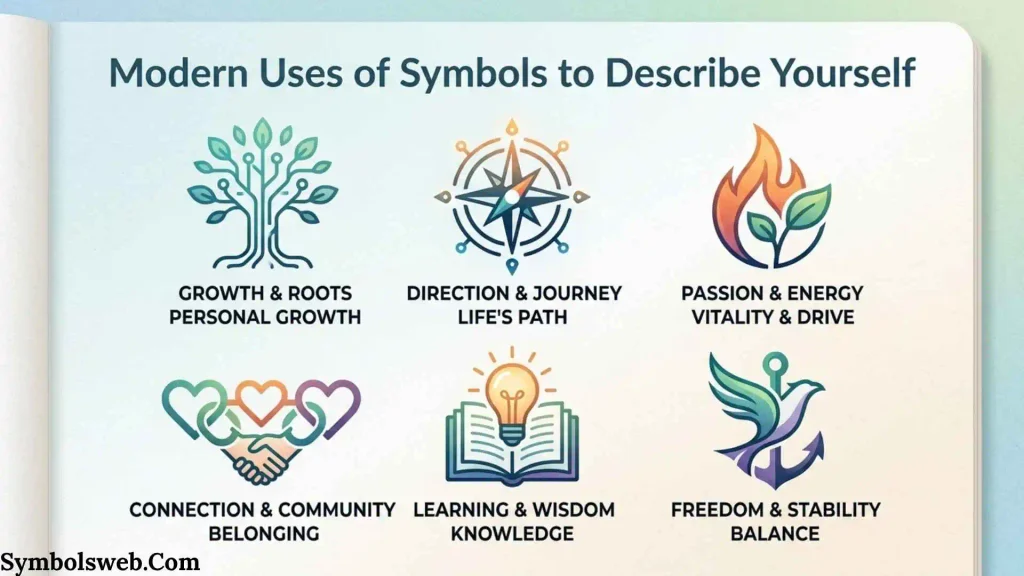
Today, personal symbols appear everywhere.
Tattoos
Permanent expressions of identity and life experiences.
Jewelry
Worn as reminders of values and beliefs.
Fashion
Used to communicate personality and style.
Branding
Entrepreneurs often choose symbols that reflect their mission.
Social Media
Profile pictures and icons often contain symbolic meaning.
Contemporary Spirituality
Symbols help individuals connect with mindfulness and personal growth.
Home Decor
People display symbolic art that reflects their identity and aspirations.
Interesting Facts About Symbols to Describe Yourself
- Humans used symbols long before written language existed.
- Many modern logos are based on ancient symbolic concepts.
- Animal symbols appear in nearly every culture on Earth.
- Dreams communicate primarily through symbolic imagery.
- The lotus grows in mud yet blooms beautifully, making it a universal symbol of growth.
- The phoenix exists in multiple civilizations, not just one mythology.
- Symbols can influence emotions even when people do not consciously recognize them.
- Personal symbols are often used in therapy and self-discovery exercises.
- Ancient warriors carried symbolic emblems into battle.
- Many family crests were originally symbolic descriptions of character and values.
Frequently Asked Questions
What is the best symbol to describe yourself?
The best symbol depends on your personality, values, and life experiences. Many people choose the lion for courage, the butterfly for transformation, the tree for growth, or the compass for purpose.
Why do people use symbols to represent themselves?
Symbols communicate identity quickly and emotionally. They often express beliefs, experiences, goals, and personal values more effectively than words alone.
What animal symbol best represents personal strength?
The lion, eagle, wolf, bear, and tiger are among the most common symbols associated with strength, courage, leadership, and resilience.
Can a symbol have multiple meanings?
Yes. Most symbols carry different meanings depending on culture, history, context, and personal interpretation.
Are self descriptive symbols spiritual?
They can be. Many people use symbols to express spiritual beliefs, inner growth, life purpose, or connections to larger ideas and traditions.
How do I choose a symbol that represents me?
Reflect on your values, life experiences, strengths, goals, and challenges. The symbol that resonates emotionally and consistently feels meaningful is often the best choice.
Conclusion
Symbols to describe yourself are far more than simple images. They are powerful reflections of identity, emotion, history, and human experience. From ancient civilizations to modern social media profiles, symbols help people express who they are and what they value.
If you connect with a lion’s courage, a butterfly’s transformation, a tree’s wisdom, or a phoenix’s resilience, the right symbol can tell your story without a single word. In many ways, the symbols we choose become mirrors of the person we strive to be.
Also Check This Post: 53+ Logic Gates Symbols and Meanings: Everything You Need to Understand Digital Logic

Jordan Hayes is a writer with a passion for exploring the history, meanings, and cultural significance behind symbols from around the world. He enjoys turning complex topics into clear, engaging content that anyone can understand. Jordan is also the fictional author of The Silent Language of Ancient Marks and Hidden Symbols Beyond the Surface, two original book concepts created for his author profile. When he’s not writing, he spends time researching myths, traditions, and forgotten stories that inspire his work. His goal is to help readers discover the deeper meanings behind the symbols they encounter every day.
 Eliana Foster
 Ethan Holloway
[…] Don’t Skip This → 57+ Symbols to Describe Yourself: Meanings Examples and Powerful Ways to… […]